
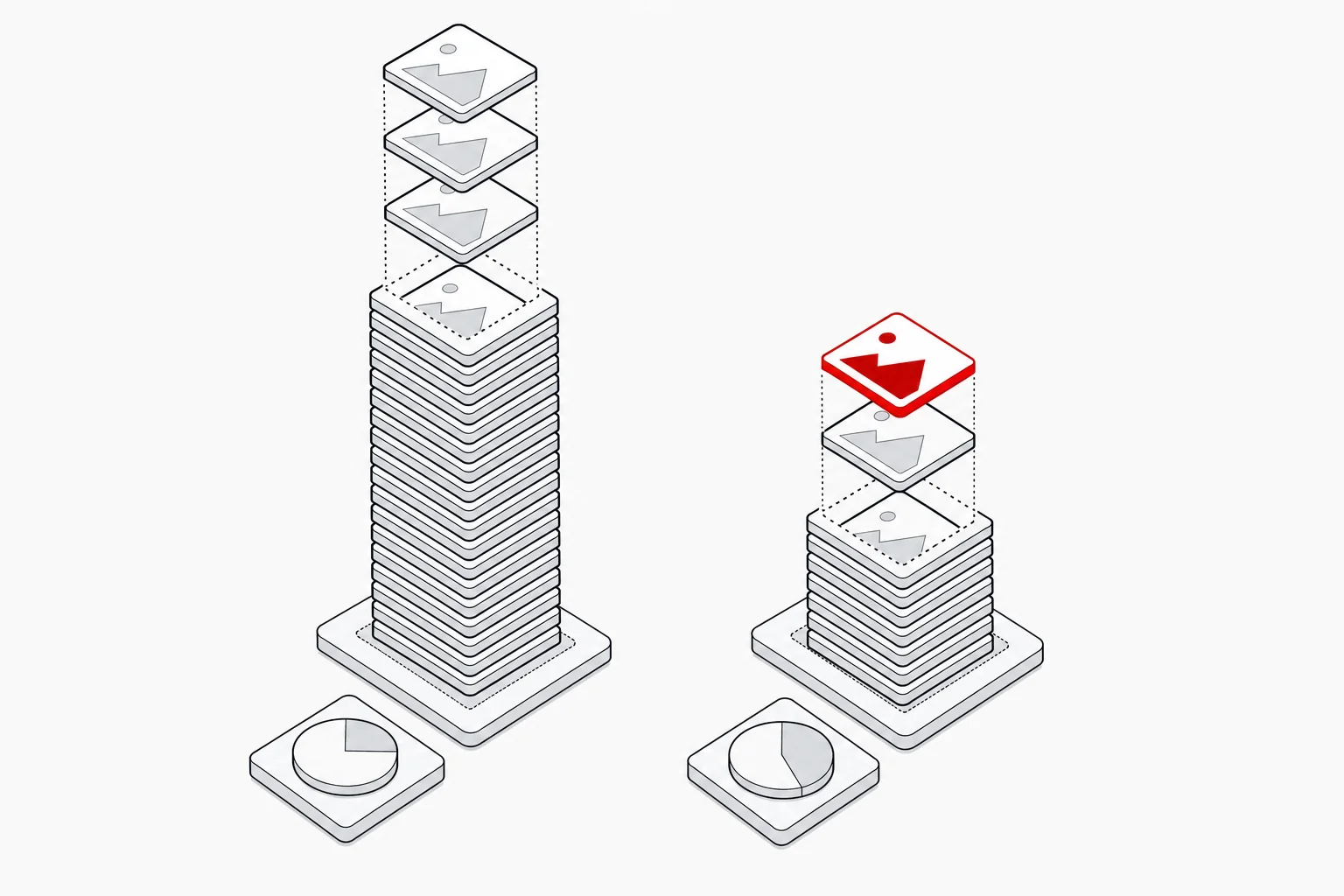
What a cast approval clause does
A cast approval clause is the part of an actor’s contract that defines their kill rights in numbers. Rather than an open-ended veto, it caps how many images the actor may reject, expressed as a percentage of the images they appear in. The cap protects both sides: the actor retains meaningful control over their image, while the production keeps a usable set for publicity.
The pool being counted is every image containing that actor’s likeness: unit stills, gallery images (specials, key art or studio shoots) and screen grabs, not the unit photography alone. Our guide to how talent image approvals work sets out which images go for approval and how the review runs.
These clauses sit at the heart of talent approval and feed directly into cast clearance. Get the numbers right and the release runs smoothly; get them wrong and the production risks a contractual breach. The sections below set out how the percentages are written, measured and exercised.
Solo vs group limits
The single most important distinction in any approval clause is between solo shots and group shots. An actor naturally has more control over a photograph of themselves alone than over one shared with other cast, so they can usually kill more of their solo shots and fewer of their group shots, which makes the group limit the stricter of the two.
In practice the shape is often a minimum of 50% of an actor’s solo shots and 75% of their group shots approved, so up to half of solo images and a quarter of group images may be killed. These are commonly seen ranges rather than fixed rules: the precise figures are always negotiated, some contracts set a single flat rate across both, and well-established talent tend to secure more generous allowances. The point is structural: two separate percentages, applied to two separate pools, for every actor on the production.
What counts as a “group” shot? This is where productions often trip up: a group image is not simply any frame with more than one person in it. Most approval clauses define a group shot as one in which the actor appears alongside another actor who also holds approval rights. A frame that also contains background artists, crew or people with no approval right is usually still treated as a solo shot for that actor. It is an important distinction, and it is how the Image Approvals platform works by default, though we can configure it to a different definition of “group” where a production’s contracts require it.
How the percentage is calculated
A frequent source of confusion is what the percentage is measured against. It is not a share of the whole shoot; it is a share of each actor’s own pool of images. An actor who appears in 200 frames with a 50% solo allowance is measured against those 200, not against the production’s total of several thousand.
That calculation then splits again by shot type. The solo percentage applies to the actor’s solo frames; the group percentage to the frames they share. Doing the approvals process correctly therefore means tracking, per actor, two running totals against two contractual ceilings, which is precisely why this is hard to do reliably by hand.
The review window and who exercises it
Approval clauses almost always specify a review window: a fixed period in which kills must be registered so publicity deadlines are met. Miss the window and approvals can lapse or default, depending on the contract.
The right is usually exercised not by the actor directly but by their agent or publicist. The production curates the set each person sees, often supplying a contact sheet for a quick overview, and the representative works through it within the window. Where preview security matters, watermarking can be applied to review copies so nothing leaks before sign-off.
The practical traps
Three problems catch productions out. The first is miscounting: tracking two percentages across two pools for many cast members invites arithmetic errors, and an over-killed quota that slips through can breach the distributor agreement. The second is group-shot conflict: one actor over-killing a group frame removes an image other cast may have happily cleared, shrinking the usable set for everyone. The third is deadlines: a missed review window can stall the whole campaign.
All three are bookkeeping problems, and all three are what a dedicated platform like ImageApprovals removes. It tracks kills automatically against each actor’s solo and group percentages, flags when a limit is approached, manages the review window, and keeps an audit trail of every decision before the cleared key selects are handed to the distributor. To see the full sequence end to end, read how talent image approvals work.