
What likeness rights are
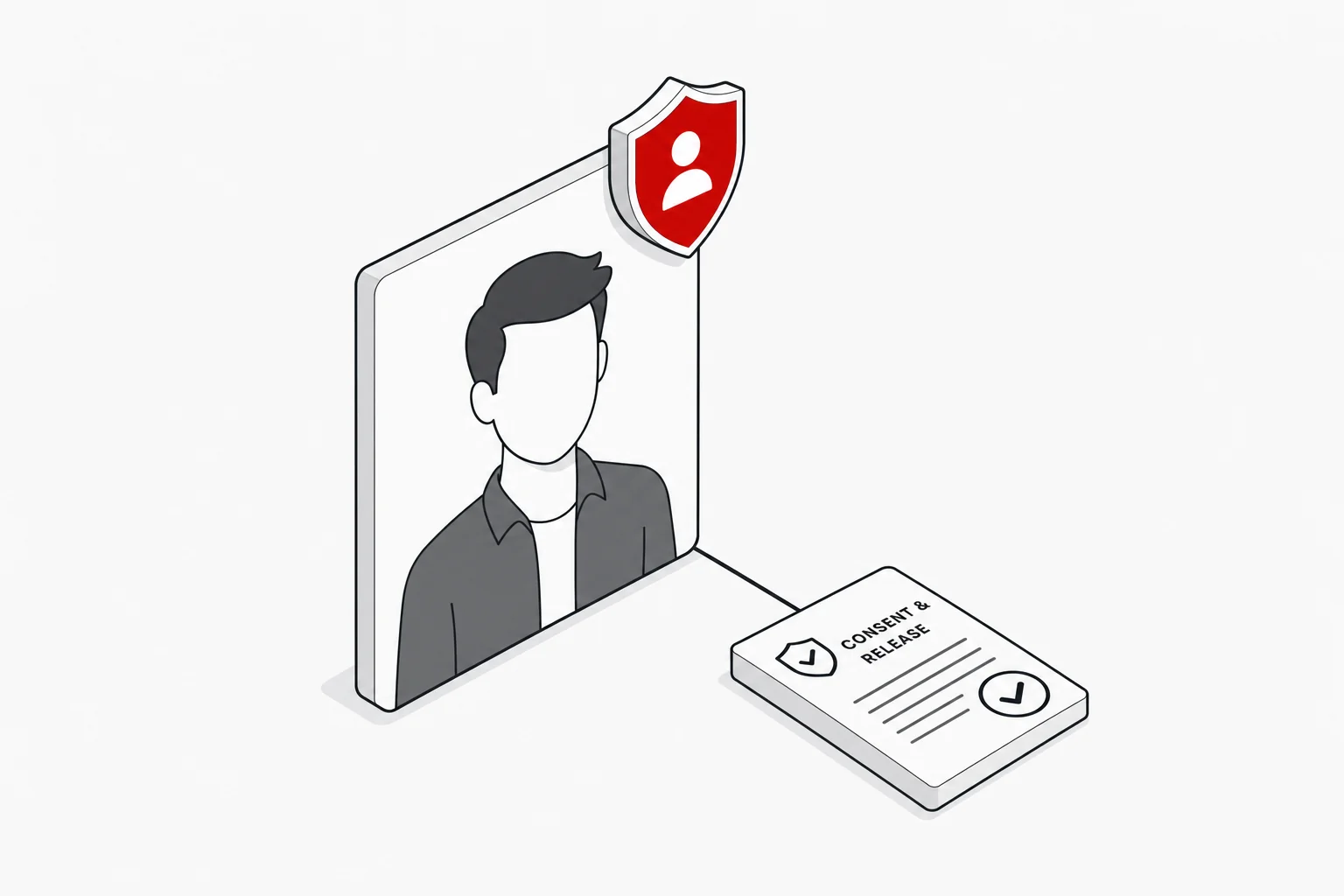
Broadly, likeness rights are a person’s right to control the commercial use of their recognisable image, name and appearance. The exact scope, name and legal basis vary considerably by jurisdiction and contract. In some places they sit under privacy or publicity law, in others under contract, data protection or a mix of all three. The common thread is that an identifiable individual typically has some say over whether, and how, their face and persona are used to promote a product or service. For film and TV, that individual is most often a member of the cast, and the “product” being promoted is the programme itself.
This is different from copyright, which concerns who owns the photograph as a creative work. A production can own a still outright and still be unable to publish it freely if the person depicted has not granted, or has reserved, the right to approve its use. In practice both questions need answering before an image goes out.
How this applies to stills
For unit and publicity stills, likeness rights typically give talent a say over how they appear in the images used to market a title. A single frozen photograph carries a particular weight: used on a poster, a streaming tile or a press release, it represents the actor as a person in a marketing context, often for years. That is why contracts commonly give them a degree of control over which of those images are used.
This is why stills approvals are handled as their own workflow rather than folded into post-production. The pool of photographs from a shoot can run to thousands, and only a curated, approved subset should ever reach publicity. Managing that subset cleanly is the heart of talent approval.
How clearance works on a production
On a production, likeness control over stills is exercised mainly through kill rights and talent approval clauses in the cast contract. A kill right broadly lets an actor reject (“kill”) images they do not want published, usually up to an agreed allowance. Contracts commonly require the actor to approve at least 50% of solo shots and 75% of group shots, so more of their solo images than their group ones can be killed, though the figure is always set by the contract. Tracking kills accurately against those percentages, with a clear audit trail of who approved or rejected what and when, is a core part of cast clearance.
For a deeper look at how those allowances and the kill process work in practice, see kill rights explained. For how the clauses themselves are typically framed, see talent approval clauses. The practical upshot is that publicity teams can only draw from images that have cleared this process, so accurate, contract-aware tracking matters enormously. It is precisely what a purpose-built stills approvals platform such as Image Approvals exists to handle.
Other clearances that affect publishing
Beyond the cast, several other clearances can affect what a production may publish in a still. These typically include:
- Third parties and members of the public in frame. Recognisable people who are not under contract may need their own consent before an image is used commercially.
- Locations and property. Filming or photographing certain buildings, interiors or private land can carry conditions on how resulting images are used.
- Visible brands, artwork and products. Logos, packaging, posters, signage or distinctive designs caught in shot can raise trademark or copyright questions depending on prominence and context.
- Minors. Images of children typically attract heightened consent and safeguarding requirements, with parental or guardian permission usually needed.
How each of these applies varies by jurisdiction, context and how prominently the element features. Productions commonly resolve them by obtaining releases, reframing, or simply not selecting the affected image, which is why these checks sit alongside talent approval in the same review.
Why getting clearance right matters
Getting clearance right matters because the cost of getting it wrong tends to come late, publicly and expensively. Publishing an unapproved or uncleared image can broadly create legal risk, damage the trust between a production and its cast, and force images to be pulled after they have already appeared, sometimes across many platforms at once. Reissuing artwork once a campaign is live is far more disruptive than catching a problem during review.
There is a relationship dimension too. Cast and their representatives notice when a production handles approvals carefully and honours the contract, and that goodwill carries into future work. A clean, auditable clearance process protects everyone: it gives publicity confidence that every image in circulation is safe to use, and gives talent confidence that their likeness is being respected.
This is an educational overview and not legal advice; the position varies by jurisdiction and contract, so take qualified advice on your specifics. If you would like to talk through how a stills approvals platform and photo lab handle clearance and kill tracking in practice, you are welcome to get in touch.